
If you spend any time in developer groups online you have probably heard people calling PHP outdated for ages now. But as soon as you start working on actual projects you realize fast that PHP is still very much alive and in heavy use.
In one small project I worked on, switching to Laravel saved a lot of time compared to writing everything from scratch in plain PHP. It made the whole development process feel more structured and easier to manage.
One of the biggest reasons for that is Laravel. It completely changed the feel of working with PHP. Before it things could get pretty messy especially on larger projects. With Laravel you get a solid structure right from the start so development suddenly becomes much easier to handle.
I have seen it myself using a framework like Laravel saves you a ton of setup time. You stop rebuilding the same basic stuff again and again. That means you can focus on the actual logic of your application and actually make real progress instead of repeating the same tasks.
The way code is organized has improved a lot too. Older PHP projects used to be a real pain to maintain. These days with patterns like MVC everything stays much cleaner and way easier to manage especially when you are working with a team.
Performance is also much better than before. Newer PHP versions like PHP 8+ bring noticeable speed improvements. In real projects this can reduce loading time and improve overall user experience, especially when traffic starts growing.
There is also a clear shift toward API based development. Instead of building one giant application developers are splitting things into smaller cleaner pieces. PHP works really well in this kind of setup especially when you combine it with modern tools.
Some of the biggest improvements in modern PHP include:
- Better performance with newer versions
- Cleaner code structure using frameworks like Laravel
- Easier API development
- Improved security by default
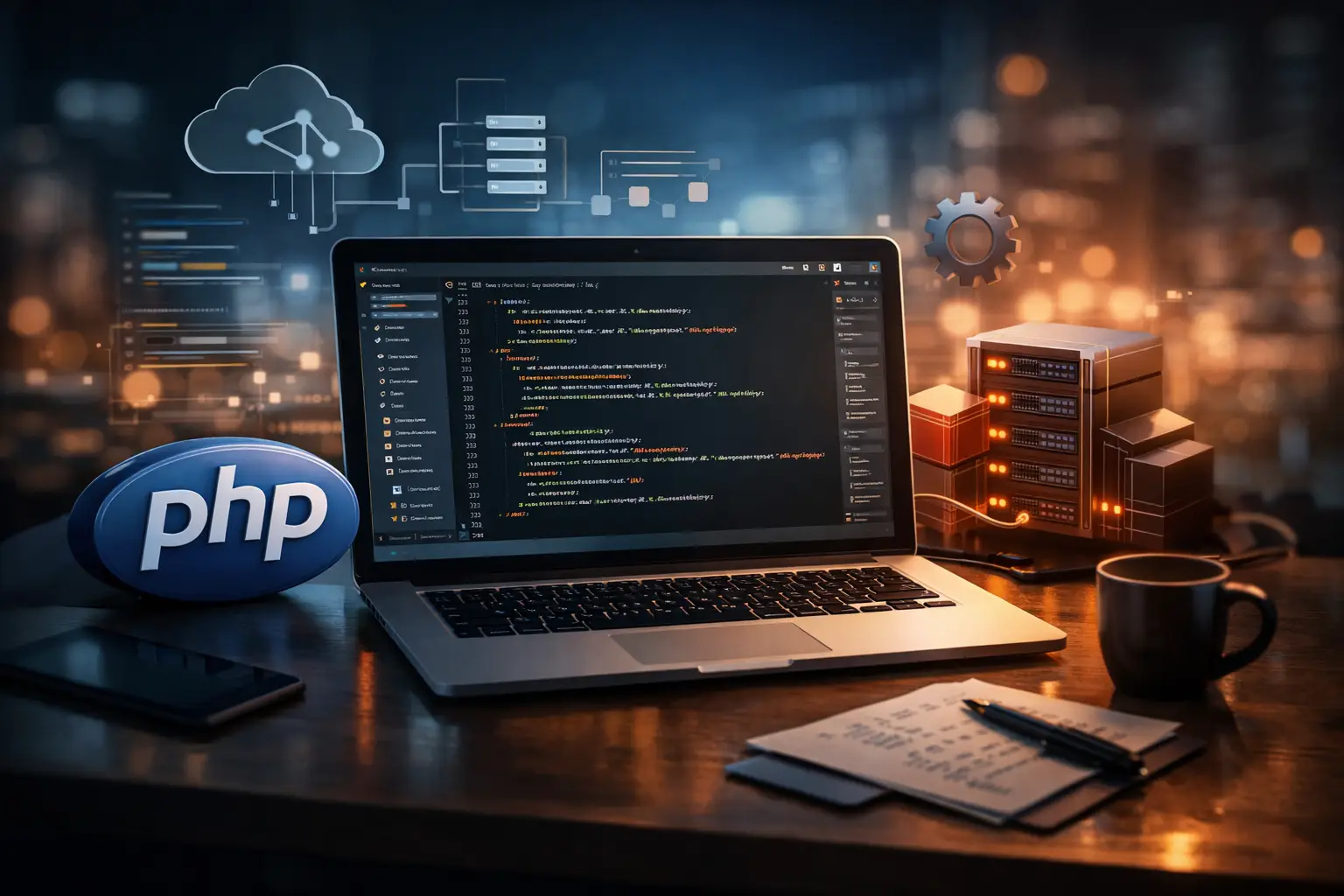
Hosting has changed a lot as well. Many developers now put PHP apps straight into cloud environments which makes scaling feel almost effortless. In a lot of cases it also makes the whole deployment process much simpler.
Security has come a long way over time too. Modern frameworks now handle most common issues automatically by default so even beginners make fewer serious mistakes.
And the community is still one of PHPs strongest points. There are so many resources packages and helpful people around that it is honestly hard to get completely stuck.
Of course it is not perfect. Some parts still feel a little dated compared to the newest tools out there but for a huge number of real use cases it works just fine.
At the end of the day PHP is still a very practical choice. In real projects it continues to deliver reliable results. It may not always follow the latest trends, but it consistently gets the job done where it matters.