

Laravel has been around for quite a while now and yet it keeps showing up in conversations about modern web development. That alone says something. In a space where new tools appear all the time and trends change fast it is not easy to stay relevant. Still in 2026 Laravel remains one of the first choices for many developers when they need to build something reliable without overcomplicating the process.
What is interesting is that Laravel is no longer seen as just a PHP framework. Over the years it has grown into something bigger. It now feels more like a complete environment where most of the common problems are already thought through. Routing, database handling, authentication, queues and caching all work together in a way that feels natural once you get used to it.
This is probably one of the main reasons people keep using it. Instead of spending time setting up basic things from scratch developers can focus more on what actually matters in their projects. Things like features, application logic and user experience are what actually bring real value.
What stands out
One thing that really stands out about Laravel is that it stays relevant without chasing every new trend. Instead, it focuses on improving the developer experience while staying practical and stable.
It still feels approachable
One thing that has not changed is how approachable Laravel feels. Even in newer versions it does not try to overwhelm you. The structure is clear and once you understand the basics you can move around the project without feeling lost. That matters a lot especially for developers who are still learning or switching from other technologies.
The syntax also plays a big role here. It reads almost like plain language in many cases. That might sound like a small detail but when you are working on something for hours every day it makes a difference. Code that is easier to read is easier to maintain and easier to come back to after some time.
Less setup more building
A common frustration in web development is how much time goes into setup before you even start building real features. Laravel reduces a lot of that friction. Many tools are already included and configured in a sensible way.
For example, things like database migrations or authentication are not something you have to figure out from scratch. They are part of the workflow. You just adjust them to your needs and move on. This saves time but it also reduces mistakes because you are working with patterns that are already tested and widely used.
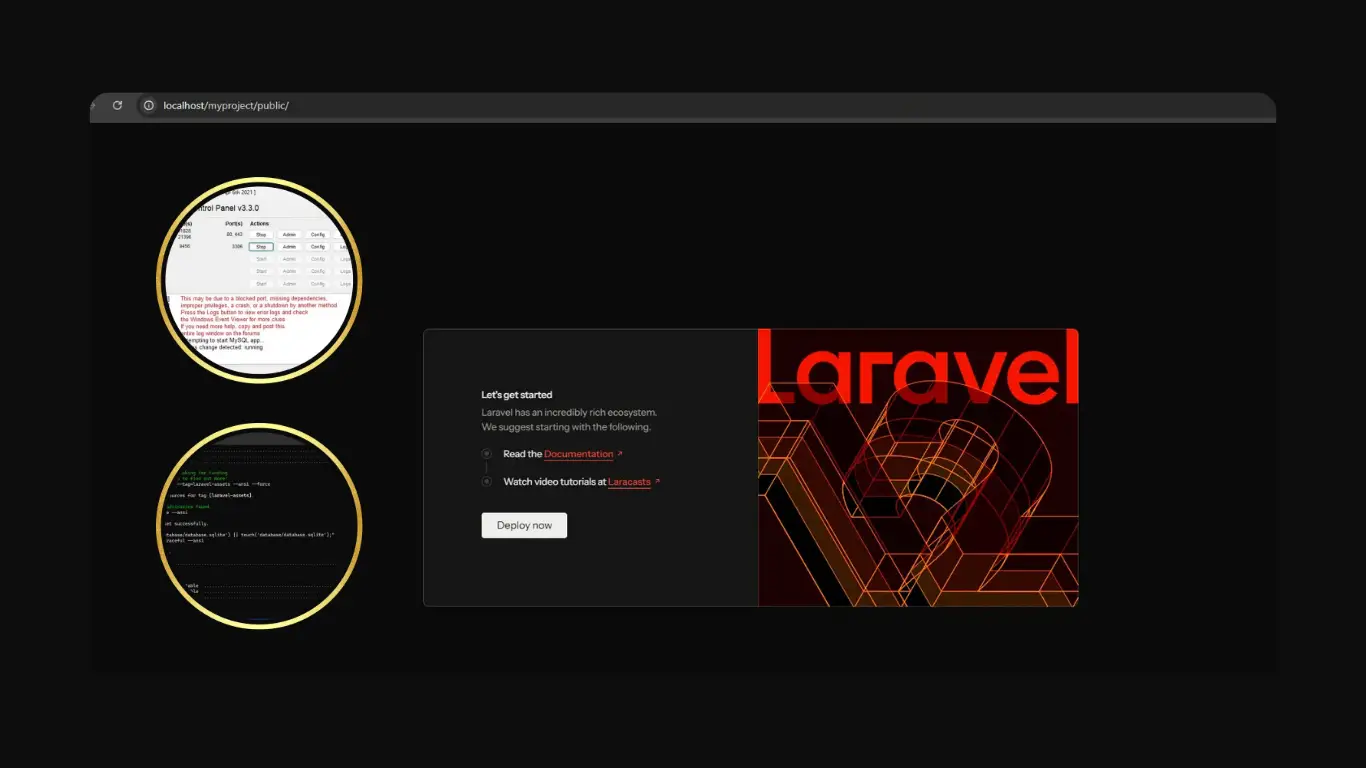
If you're just getting started, having a proper local setup makes everything easier. You can follow this step by step guide for installing Laravel with XAMPP before moving forward.
A solid choice for APIs
Modern applications rely heavily on APIs whether it is for web apps mobile apps or even third party integrations. Laravel fits well into this kind of setup. Creating endpoints handling requests and returning structured responses is straightforward.
It also helps that authentication systems are already available. You can protect your routes manage users and control access without having to build everything manually. For many projects this is more than enough and for more complex cases there is still flexibility to extend things.
- Clear routing system for endpoints
- Built-in tools for authentication
- Easy integration with frontend frameworks
- Good structure for growing projects
“A big part of Laravel’s appeal is that it removes unnecessary friction without taking away control.”
Performance is no longer a concern for most cases
There was a time when performance was often brought up in discussions around PHP frameworks. Today that conversation feels different. Laravel has improved in this area and with proper use of caching queues and optimized queries it can handle real world traffic without major issues.
Of course like any tool it depends on how you use it. Poor structure or heavy logic in the wrong place can still slow things down. But that is not specific to Laravel. In general when used correctly it performs well enough for most applications from small projects to larger systems.
The ecosystem keeps growing
Another reason Laravel stays relevant is its ecosystem. There are many official tools and community packages that extend what you can do without reinventing the wheel. If you need something there is a good chance someone has already built a solution for it.
This also means you are rarely stuck for too long. Documentation tutorials and discussions are everywhere. Whether you are debugging an issue or trying to learn something new it is easier to find help compared to less popular tools.
What developers appreciate
- Readable and structured code
- Less repetitive setup work
- Tools that work well together
- Flexibility when projects grow
- Large and active community
Real world usage
In practice Laravel is used for a wide range of projects. Some developers use it for small internal tools others build full scale applications that handle thousands of users. It adapts well because it does not force you into a single way of doing everything.
That balance between guidance and flexibility is important. You get a structure that helps you move faster but you are not locked in when your project becomes more complex.
Looking at it in 2026
At this point Laravel feels stable. Not in a boring way but in a way that you can rely on it. It keeps improving without breaking everything every year. That kind of consistency is valuable especially when you are building projects that need to last.
New tools will continue to appear and some of them will be faster or more specialized. That is normal. But Laravel holds its place because it focuses on making development practical and manageable rather than just following trends.
Where it stands now
Right now Laravel sits in a comfortable position. It is not trying to be everything but it covers a lot of ground in a way that feels balanced. You can start small and grow without having to switch technologies halfway through your project.
For many developers that is enough reason to keep using it. It works, it is predictable and it allows you to focus on building instead of constantly rethinking your stack.
Closing perspective
Laravel is not perfect and it does not try to be. But it solves real problems in a way that makes sense for everyday development. That is why even in 2026 it continues to be part of so many projects.
In the end it comes down to this. If you want something that helps you move faster without sacrificing structure Laravel is still a solid option. Not because it is trendy but because it actually works.