

A lot of developers eventually think about building their own digital products. After spending enough time creating websites, admin panels or client projects, the idea of selling templates, scripts or starter kits online starts looking attractive.
At first, it seems simple. Build something once, upload it to a marketplace and continue earning from it over time.
The reality feels very different once the actual process begins.
One thing I noticed while exploring Laravel and React products is that clean code alone is rarely enough to make a product successful. Many technically solid projects never gain traction, while simpler products sometimes perform surprisingly well.
The idea sounds easier than the execution
Most developers focus heavily on the development part in the beginning. Features, architecture and performance usually become the priority.
That part is important, but marketplaces are filled with technically good products that barely get attention.
The first challenge usually appears before launch. Developers often build products based on what they personally find interesting instead of what people are actively searching for.
That difference matters more than expected.
A very advanced system with dozens of features can struggle to sell, while a simple dashboard template or clean booking system may perform much better because it solves a more common problem.
UI quality affects perception immediately
One thing that became obvious very quickly is how much presentation changes the way people judge a product.
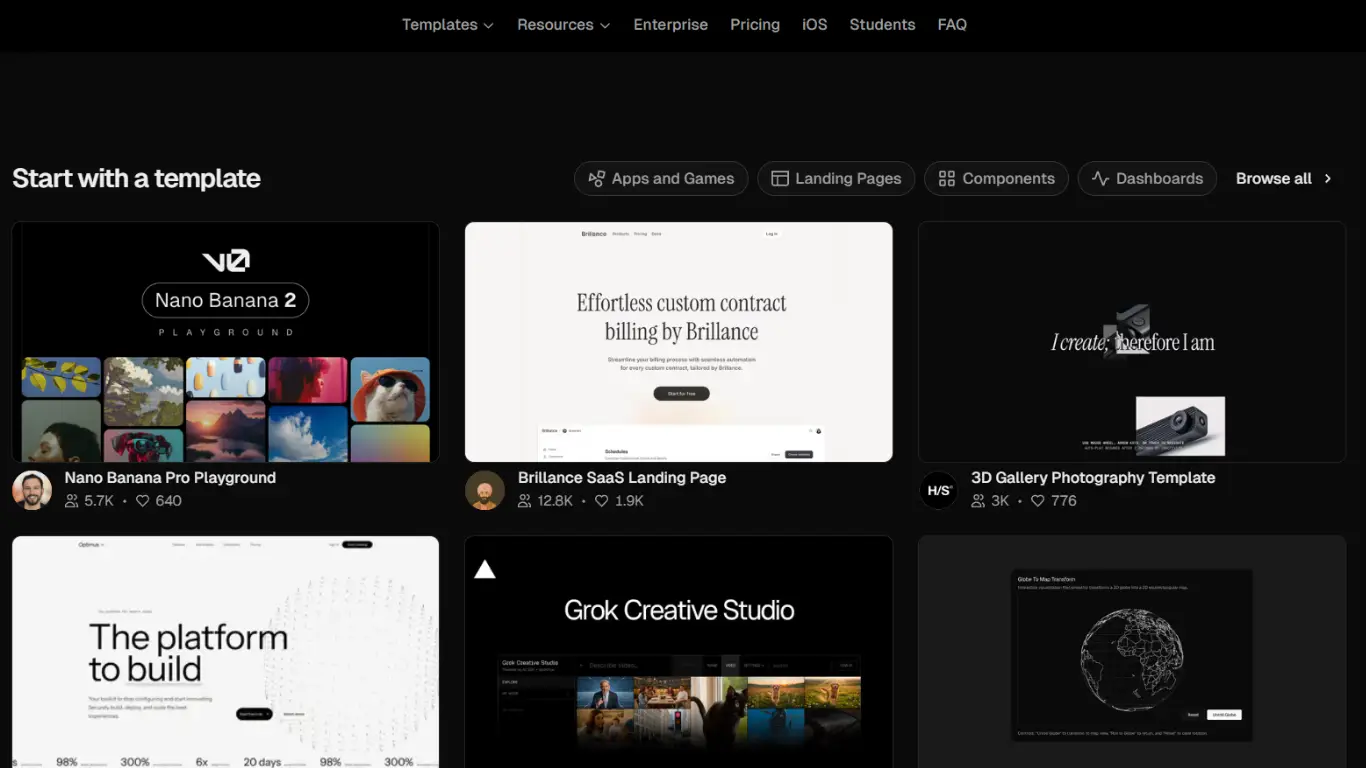
Even before testing functionality, most users decide whether a product feels professional based on the preview images, layout quality and visual consistency.
A clean interface immediately creates more trust.
This is especially noticeable with React templates and admin dashboards. Small spacing issues, inconsistent typography or weak color combinations make products feel unfinished very quickly.
Some of the most successful products online are not necessarily the most technically impressive ones. They simply look polished and easy to use.
Support becomes part of the product
Something many developers underestimate is support.
Selling a product online also means answering questions, fixing installation problems and helping users who may have very different hosting environments or technical experience.
Even a relatively simple Laravel project can generate constant support requests once people begin using it in different ways.
Database issues, server configurations, outdated PHP versions and missing dependencies become part of daily maintenance.
At that point, the product stops feeling completely passive.
Good documentation reduces many of these problems, but support still becomes part of the long-term responsibility.
Simple products often perform better
One surprising thing I noticed while browsing development marketplaces is that smaller focused tools often outperform large complicated systems.
Products with a very specific purpose usually feel easier for customers to understand.
Landing page templates, booking systems, admin dashboards, portfolio layouts and lightweight SaaS starters often attract more attention because users immediately understand how they can use them.
Large all-in-one platforms sometimes create the opposite effect. Too many features can make products feel difficult to customize or maintain.
Keeping things focused usually creates a cleaner experience both for the developer and the customer.
Marketing matters more than most developers expect
A good product without visibility rarely performs well online.
That part becomes frustrating for many developers because building software and marketing software require very different skills.
Uploading a project to a marketplace does not automatically generate sales.
Preview quality, product descriptions, screenshots and consistency all influence visibility.
Products that receive updates regularly also tend to build more trust over time.
Buyers usually avoid projects that appear abandoned or outdated.
Laravel products behave differently from React templates
Laravel products usually require more long-term maintenance because backend environments change constantly.
Framework updates, package compatibility and hosting issues create additional work after release.
React templates often feel easier to distribute because many of them focus primarily on frontend design and reusable components.
Still, React products also depend heavily on presentation quality. A weak UI usually limits their potential immediately.
In both cases, users expect clean structure, responsive layouts and proper documentation.
Pricing digital products is harder than expected
Pricing becomes another difficult part very quickly.
Many developers initially overestimate how much people are willing to pay for standalone scripts or templates.
Competition on large marketplaces is extremely high, especially in popular categories.
Sometimes products that required months of development compete directly with cheaper alternatives that offer fewer features but stronger presentation.
That can feel frustrating in the beginning.
Over time, it becomes clear that perceived value matters just as much as technical complexity.
The products that feel most useful usually perform better
One common pattern across successful products is practicality.
People usually buy products that save time, simplify workflows or help them launch projects faster.
Templates and tools that reduce development time often perform better than highly experimental ideas.
This is especially true for freelancers, agencies and startup founders who care more about efficiency than technical architecture.
That practical value becomes one of the strongest selling points.
Consistency matters more than one successful launch
Another thing that becomes obvious over time is that consistency matters more than releasing one perfect product.
Developers who continuously improve products, release updates and maintain quality usually build stronger long-term results.
A single upload rarely changes everything immediately.
Building trust as a creator takes time, especially in competitive marketplaces.
Smaller improvements, better previews and cleaner product structure gradually create better results.
Building products teaches a different side of development
Creating products for marketplaces changes the way development is approached.
Client projects usually focus on one business and one workflow, but public products need to work for many different users.
That forces developers to think more carefully about usability, onboarding, customization and long-term maintenance.
It also improves decision-making around performance and structure because products need to remain understandable for other developers.
Final thoughts
Selling Laravel or React products online can absolutely become a valuable income source, but it rarely works as instant passive income.
Development is only one part of the process. Presentation, documentation, updates, support and product positioning all play a major role in long-term results.
The products that usually perform best are not always the biggest or most technically advanced ones.
Clear structure, practical value and consistent improvement often matter much more than adding endless features.
Over time, building digital products becomes less about uploading code and more about creating tools people genuinely find useful.