
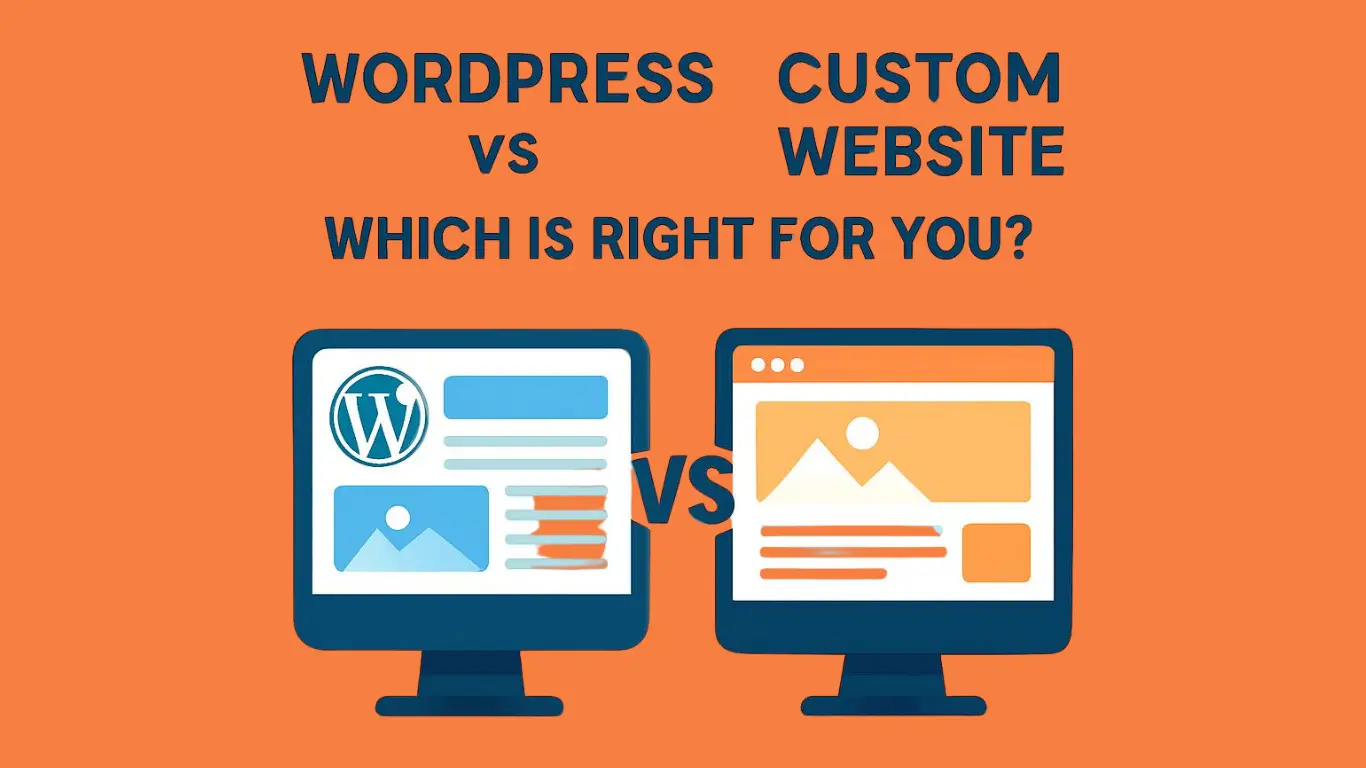
Choosing how to build a website sounds simple at first, but the decision usually becomes more complicated once the actual project starts taking shape. Some people immediately choose WordPress because it is familiar and easy to launch, while others prefer building everything from scratch for more control and flexibility.
Both approaches are used everywhere today, from personal blogs to business websites and larger online platforms. The difference is not really about which one is “better.” What matters more is understanding what the website actually needs and how the project will grow later.
After spending time working with both WordPress and custom-coded websites, one thing becomes obvious very quickly. Some projects become much easier with WordPress, while others feel cleaner and faster when they are built manually without relying on themes or plugins.
Why many websites still use WordPress
WordPress remains one of the most popular website platforms because it reduces development time significantly. A website can go live much faster compared to building everything manually from the beginning.
Themes, plugins and visual builders allow websites to be created without writing large amounts of code. For small businesses, portfolios, blogs or local company websites, this can save a huge amount of time.
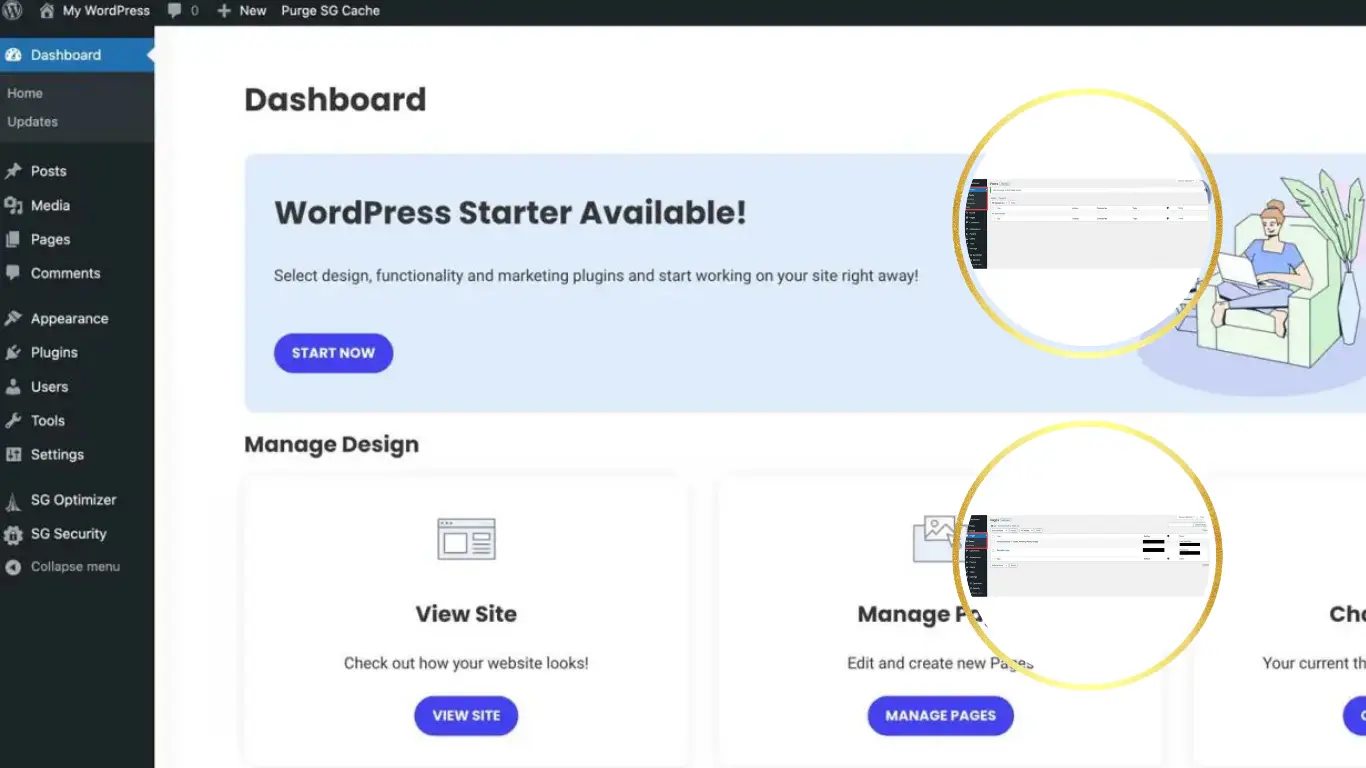
Managing content is also much simpler for people who are not developers. Blog posts, images and pages can all be updated from the dashboard without opening code editors or modifying files directly.
This is one reason why WordPress works very well for content-focused websites that publish articles regularly.
Many useful features can also be added quickly. Contact forms, galleries, SEO tools, analytics and caching systems are usually available through plugins instead of being developed manually.
The plugin problem appears slowly
One thing that happens frequently with WordPress websites is plugin overload.
The beginning usually feels smooth because installing plugins is very convenient. Small features can be added within minutes, so many website owners continue adding more functionality over time.
After a while, the website may start loading slower without it being immediately obvious why.
Heavy page builders, multiple animations, marketing plugins and unnecessary scripts often create performance problems that become much more noticeable on mobile devices.
This is also why many developers eventually spend time removing plugins they no longer need.
Some plugins are still extremely useful when used correctly. Caching plugins, SEO tools and image optimization systems can improve the website significantly. The problem usually starts when too many features are added without thinking about performance.
For websites that rely heavily on plugins, maintenance also becomes more important. Plugin conflicts, updates and compatibility problems sometimes appear unexpectedly after updates.
Custom websites feel different during development
Building a custom website changes the entire workflow because every section gets created manually. Layouts, responsiveness, animations and interactions are all developed specifically for the project itself.
This gives developers much more freedom when designing the structure and performance of the website.
Instead of adapting the project around a theme, the website gets shaped around the actual goals of the business or platform.
For developers who enjoy having complete control over the frontend and backend, custom development usually feels cleaner and easier to manage long term.
Performance optimization also becomes more predictable because only the necessary code gets included.
Performance differences become more visible on mobile
Desktop testing sometimes hides problems that immediately appear on phones and tablets.
Large sliders, oversized animations and multiple third-party scripts may still feel acceptable on desktop computers, but mobile devices expose these issues much faster.
Scrolling delays, layout shifts and slow loading sections become easier to notice on smaller screens.
This is one reason why lightweight custom websites often feel smoother on mobile devices. Developers can optimize image loading, reduce unnecessary JavaScript and simplify layouts more aggressively.
At the same time, a properly optimized WordPress website can still perform very well if the setup stays lightweight.
Good performance depends more on optimization habits than the platform itself.
Managing content feels easier with WordPress
One area where WordPress still has a very strong advantage is content publishing.
Writers, editors and website owners can publish new articles quickly without needing development experience. Categories, tags and media management are all already built into the system.
For websites that publish tutorials, guides or regular updates, this workflow becomes very convenient.
Custom websites can still include their own content systems, but developing those tools manually requires additional time and planning.
This is why many developers continue choosing WordPress for blogs and content-focused projects.
If you want to explore more content management systems, you can also check out our comparison of modern CMS platforms for different types of websites.
Custom development gives more control over design
Design flexibility becomes much easier when websites are built manually.
Spacing, typography, responsiveness and interactions can all be adjusted exactly the way the project requires without working around theme limitations.
This becomes useful for startups, dashboards, SaaS platforms and websites that require unique user experiences.
Even small interface details become easier to manage because every component is created intentionally instead of relying on prebuilt layouts.
Developers also avoid the extra code that many themes include by default.
Security and maintenance still matter
Some people assume custom websites automatically become safer, while others assume WordPress is insecure by default. In reality, both approaches still require proper maintenance.
WordPress websites depend heavily on plugin updates and theme compatibility. Ignoring updates for long periods can create vulnerabilities over time.
Custom websites avoid plugin dependency issues, but secure coding practices still matter just as much.
Poor backend structure, weak validation or outdated libraries can still create problems even without WordPress.
Regular testing and maintenance remain important regardless of the platform being used.
Development speed changes depending on the project
Smaller websites usually launch faster with WordPress because many features already exist.
Themes, plugins and templates reduce development time significantly for projects that do not require highly custom functionality.
Custom websites usually take longer at the beginning because layouts and features are built manually.
The advantage appears later when scaling becomes easier without depending on multiple plugins or complex theme systems.
Many developers choose different approaches depending on the size and purpose of the project itself.
A clean website matters more than the platform
Visitors usually do not care whether a website was built with WordPress or custom code.
People notice responsiveness, loading speed, navigation clarity and usability much faster than the technology behind the scenes.
A lightweight WordPress website can easily feel better than a poorly optimized custom project, while a clean custom website can feel faster and smoother than overloaded themes with excessive plugins.
The overall experience always matters more than the platform itself.
Different projects require different solutions
Blogs, portfolios and smaller business websites often work perfectly with WordPress when the setup remains optimized and organized.
Projects that require advanced systems, dashboards or unique interactions usually benefit more from custom development.
Understanding the real needs of the project helps make the decision much easier.
Trying to force every website into the same workflow usually creates unnecessary problems later during maintenance and scaling.
For beginners starting with WordPress, our complete WordPress guide also covers the basics of launching and managing a website more efficiently.
The best approach depends on the actual goal
Some websites benefit from quick deployment and easy content management, while others require full control over structure, performance and scalability.
This is why both WordPress and custom development continue to exist side by side.
The strongest websites are usually the ones built around real project requirements instead of trends or assumptions.
Keeping the structure clean, the performance optimized and the user experience simple often matters much more than the platform used to build the website itself.